
Storefront Glass at Eye Level
Customers notice handprints and streaks before they read a sign. A dedicated cleaning routine keeps entry doors and street-facing glass from undercutting the presentation inside.
Serving Elgin, Illinois & surrounding areas
Mon–Fri 8am–6pm · Sat 9am–2pm
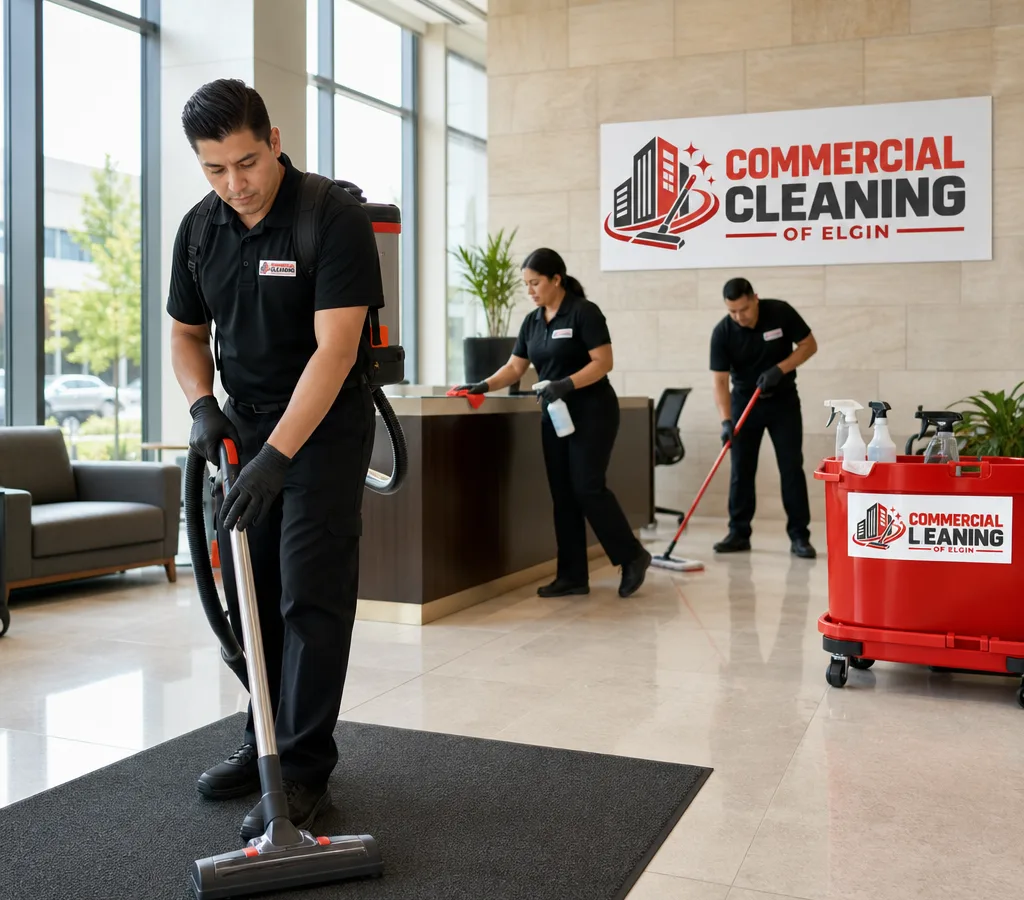
Opening-Ready Store Care
Fingerprints on entry glass, fitting rooms that turn over, and aisles that gray under traffic can make a store look tired before the doors open.
The Store Must Look Ready at Opening
Retail spaces are judged while customers are moving through them. A fingerprinted door, dusty display edge, or dull main aisle can feel more noticeable than the work done after closing because it is directly in the customer's path.
Retail and shopping center cleaning targets the conditions that affect presentation at opening: storefront glass, entry floors, fitting rooms, public restrooms, customer queues, and the main traffic routes through the store.
The service window is usually after close or before opening, when the floor can be treated and customer areas can be reset without competing with shoppers. The plan is built around the store's actual flow, not a generic office route.
A Better Opening Condition
Customers notice handprints and streaks before they read a sign. A dedicated cleaning routine keeps entry doors and street-facing glass from undercutting the presentation inside.
The central path through a store carries every customer, cart, and weather condition. Floor care can focus on those high-use lanes so they are cleaner when the doors open.
Fitting rooms turn over quickly and can gather dust, tags, smudges, and floor debris. The scope can reset these small spaces so they remain part of the shopping experience rather than a neglected corner.
Customer restrooms need attention based on use, not just a once-a-day appearance check. The plan can cover fixtures, floors, waste, touch points, and agreed consumables.
The places customers wait often show the most fingerprints, floor wear, and small litter. Cleaning can prioritize these visible zones so the final impression matches the rest of the store.
A store can look clean at close and worn again by opening if the cleanup misses the right spaces. Service is scheduled around closing and opening duties to prepare the floor for the next day.
Built Around the Customer Path
The checklist follows the customer journey through the storefront, aisles, fitting rooms, registers, and restrooms. That approach concentrates work where store conditions affect the shopping experience most.
Shopping centers and retail locations vary in access and hours. The walkthrough sets the rooms, surfaces, and after-close window that apply to the individual store.
The most useful retail cleaning plan treats opening condition as the standard. It gives the store a consistent reset before customers begin judging the space again.
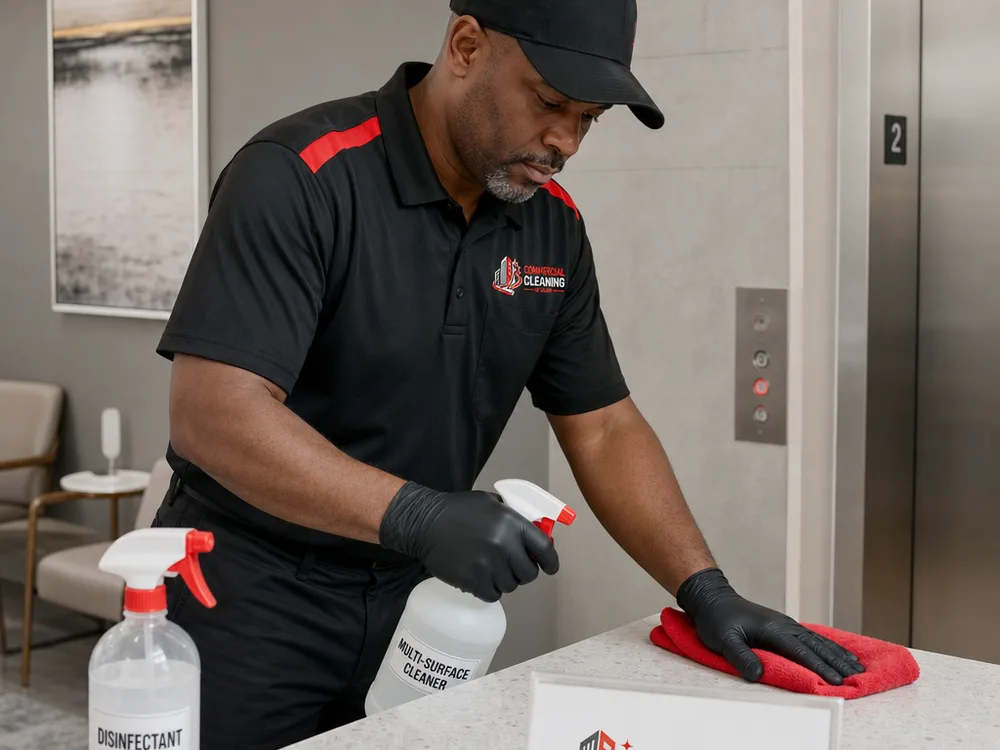
From Closing Work to Opening Presentation
The walkthrough maps the surfaces shoppers see from the door through checkout. It identifies the aisles, rooms, and entry points that show traffic and fingerprints first.
Tasks are grouped around storefront glass, floors, fitting rooms, restrooms, and checkout areas. This keeps the scope centered on customer-facing conditions rather than a flat room list.
The cleaning window is planned after close, before opening, or during an agreed low-traffic period. That timing gives floors and visible surfaces a chance to be reset without interrupting sales.
The final route checks the details that customers encounter at eye level and underfoot. Clean glass, floors, restrooms, and fitting rooms help the space look ready from the first arrival.
Planning an Opening-Ready Budget
Retail cleaning costs in Elgin depend on store size, public restroom use, fitting rooms, floor type, storefront glass, hours, and the frequency of service. Smaller shops may be priced as focused recurring visits, while larger retail spaces are evaluated according to their customer-facing footprint and access.
Aisle traffic, entry conditions, the after-close window, and the amount of visible-detail work affect the final scope. Exact pricing is confirmed after a walkthrough so the plan reflects the store's real layout and opening needs.
Request a CallbackRetail Operator Questions
Yes, the service can be scheduled after close or before opening. The walkthrough confirms access, closing duties, and the time available for the work.
Fitting rooms can be included in the customer-facing scope. The checklist can cover floors, accessible surfaces, visible glass, and agreed detail work.
Yes, storefront and entry glass can be included where access allows. These surfaces often need regular attention because fingerprints are highly visible.
Restrooms can be scheduled around their use level with tasks for fixtures, floors, waste, touch points, and supplies. The plan is set during the walkthrough.
Main aisles carry concentrated foot traffic and tracked-in dirt. A floor-care routine can focus on those lanes instead of treating every part of the store the same way.
Store size, traffic, floor materials, service hours, restrooms, fitting rooms, and requested tasks affect the estimate. A walkthrough identifies the scope needed for the location.
Start With a Clear Scope
Retail cleaning should prepare the store for the next customer, not merely close out the last day. Request a walkthrough to prioritize the glass, floors, and rooms shoppers notice first.
Request a Walkthrough
Tell us the type of building you manage, the hours it is occupied, and the areas that matter most. We will walk the space, set a checklist by area, and confirm a schedule that fits how the building is used.
Commercial Cleaning of Elgin
223 Dundee Avenue, Suite 4, Elgin, IL 60120
Send your details and we will follow up to arrange the walkthrough.